Where to watch it
In the olden days, mainstream kabuki had been performed at selected venues in big cities like Edo,(present day Tokyo)Osaka, and Kyoto. Local versions of kabuki also took place in rural towns. These days, the Kabukiza Theater in the Ginza district of Tokyo is the best place for foreign tourists to watch kabuki, but the theater is currently being reconstructed until 2013.
Modern theaters are equipped with Western style seats, A day's performance is usually divided into two segmants (one in the early afternoon and one towards the evening), and each segment is further divided into acts. tickets are usually sold per segment, although in some causes they are also available per act. they typically cost between 3,000 and 14,000 yen.
Below are some venues where kabuki can be watched:

This theater temporarily serves as the the replacement for the Kabukiza that is currently being reconstructed until spring 2013. Runs go on for about three weeks every month. English headsets are available for rental.

TOKYO
National Theater
Programs vary monthly, and include kabuki oe bunraku performances, as well as kabuki appreciation workshops for beginners. English headsets are available for rental.

KYOTO
Minamiza Theater
About two runs of three weeks per year, usually one during spring and the other during autumn, are performed.

OSAKA
Shockikuza Theater
Three to five runs per year, each lasting between three to four weeks. English head sets are unavailable, but an English program book can be purchased at the information counter.
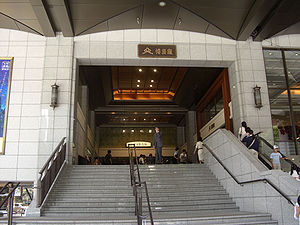
Fukuoka
Hakataza Theater
Two runs for year, one in February and one in June, are usually performed at this theater.
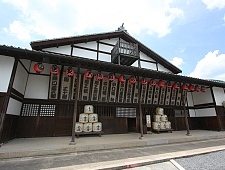
Kotohira
Kanamaruza Theater
This wonderful, historic theater is open to tourist to tour on their own. Kabuki performances are held only for a couple of weeks in April. The Kanamaruza stands just a few steps away from the main approach towards Kompira Shrine.
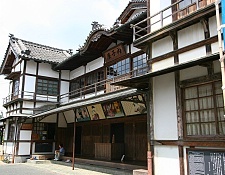
UCHIKO
Uchikoza Theater
Also located on Shikoku, the Uchikoza Theater used to stage both kabuki and bunraku performances, but these days only bunraku performances are held infrequently. for most of the year, the theater is open for tourist to explore.
